Next.js vs WordPress for London Businesses in 2026
The platform choice affects your site speed, search rankings, editing experience, hosting costs and how much work a developer needs to do when things go wrong.

01
WordPress works well when your marketing team needs to update pages, publish blog posts and manage content without a developer. It has a large plugin ecosystem and most developers know it. The trade-off is slower page loads, regular plugin updates and potential security exposure if not maintained.
02
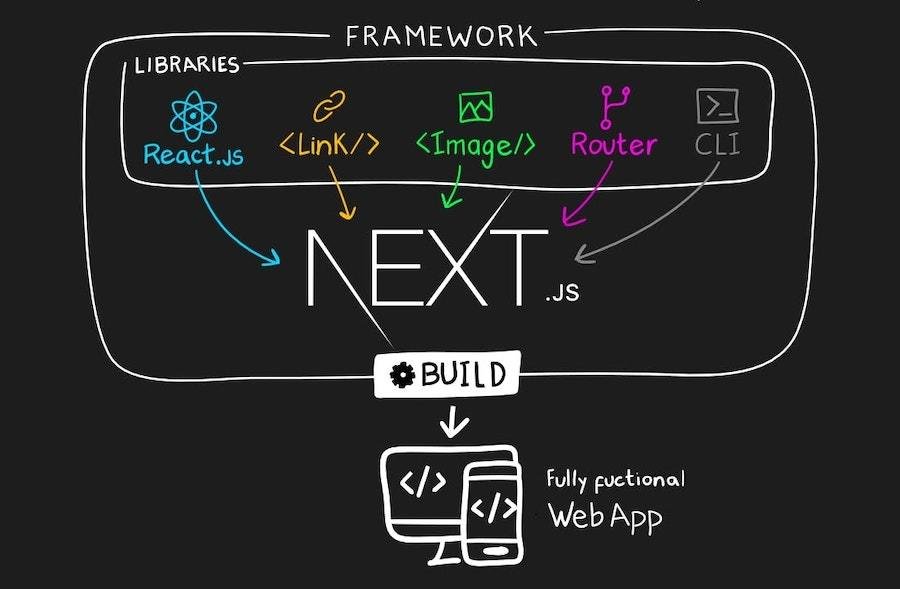
Next.js delivers significantly faster pages, near-perfect Core Web Vitals scores out of the box, lower running costs and a modern component system that scales without accumulating technical debt. It is the better choice if SEO, speed and a bespoke visual experience are priorities.
03
For service businesses, landing pages, ecommerce stores and any site where speed and search visibility matter, Next.js consistently outperforms WordPress over a 12-month horizon. We build in Next.js by default and deploy to Cloudflare Pages, which means fast load times globally and near-zero hosting costs.
04
The build quote is only part of the picture. A WordPress site carries recurring costs that compound: premium plugin licences, managed hosting that scales with traffic, security monitoring and a developer on retainer to apply updates safely. A Next.js site deployed to Cloudflare Pages removes most of that running cost because there is no database to patch, no plugin stack to break and hosting is effectively free at typical London business traffic levels. We build bespoke Next.js sites from £1,000 for a starter and offer care plans from £150 per month when you want hands-off maintenance. Over a three-year horizon, the difference between paying for constant WordPress upkeep and a lean static deployment is usually thousands of pounds.
05
The common objection to leaving WordPress is losing the editor. In practice, Next.js pairs cleanly with a headless CMS, so your marketing team still writes blog posts and updates pages through a friendly dashboard, while the front end stays fast and bespoke. The difference is that an editor can never install a rogue plugin that slows the whole site or opens a security hole. Structure, performance and design stay locked down by us; words and images stay fully in your hands. For most London businesses that update a few pages a month rather than daily, this split gives the control you actually need without the maintenance burden WordPress quietly adds over time.
Ready to get started?
Websites from £1,000. Built in London.
Related services
These service pages connect this guide to the specific scope that fits your business.