Sector Guide5 min read26 June 2026

Web Design for Dog Walkers in London: Fill Your Diary With Local Clients and Keep It Full

Dog owners in London are handing over house keys and trusting someone with a family member — the decision to hire a dog walker is emotional and risk-sensitive. Your website needs to establish trust immediately: who you are, what your credentials are, how their dog will be looked after and where it will go.

web design dog walkers londondog walker website londonpet sitter website london
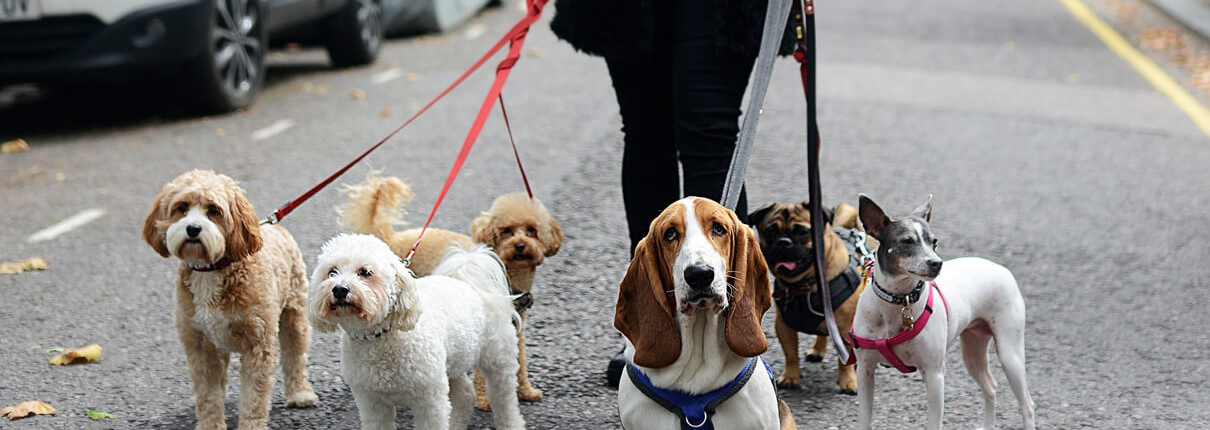
Web Design for Dog Walkers in London: Fill Your Diary With Local Clients and Keep It Full

01

Trust signals that matter to London dog owners: insurance, certifications and your face

Narps UK pet business insurance, a pet first aid certificate from a recognised provider and a current DBS check are the three credentials that most directly reduce the perceived risk of hiring a stranger to look after a dog. Displaying these on your homepage — not buried in an about page — signals immediately that you take the responsibility seriously and have been vetted appropriately. Professional photographs of you with dogs build personal connection in a way that stock imagery never can; clients are hiring you, not a brand, and they want to see who you are. Together these signals compress the trust-building process that would otherwise require personal recommendation — and in a city where many dog owners have no local social network to ask, a website that does this well converts cold visitors into clients.

02

Walk route and service area pages fill the geographic gap Rover doesn't serve

Rover and similar platforms match dog owners to available walkers across a wide area, which means clients often end up with someone who lives 30-45 minutes away and treats the walk as a commercial transaction rather than a neighbourhood relationship. Dedicated neighbourhood pages — 'dog walker Hackney', 'dog walking Clapham Common', 'dog sitter Islington' — capture the searches of owners who specifically want someone genuinely local, whose route naturally passes through their park and who can respond quickly to an emergency. These pages should describe the specific parks, green spaces and walking routes you use in that area, reinforcing your local knowledge and demonstrating that you know the area the client's dog actually lives in. A walker who shows they know Clissold Park, the Regent's Canal towpath or Tooting Bec Common by name builds more confidence than one whose website says simply 'walks in parks across London'.

03

Social proof: photos and regular updates build retention and referrals

Walk photos — shared with client permission — showing happy dogs in London's parks, commons and green spaces create ongoing evidence of the quality and care of your service that no written testimonial can match. An Instagram feed embedded on your website means your most recent content is always visible to visitors, and gives existing clients a reason to follow you and show their friends. Dog owners are a naturally social and referral-active community; a client who sees their own dog featured on your website is highly likely to share it and recommend you to neighbours and colleagues. The difference between a static website and one that shows active, current, happy client dogs is the difference between a business that grows slowly through word of mouth and one that accelerates it.

04

Breaking Rover.com dependency: the margin case for owning your own bookings

Rover charges a service fee of approximately 20% on each booking — on a regular client paying £15-£20 per walk five days a week, that is a significant recurring cost that compounds over the lifetime of the relationship. Direct bookings from your own website arrive from clients who have already seen your credentials, personality and walk evidence, meaning conversion from enquiry to booking is significantly easier than a platform introduction where you are being compared to several other walkers simultaneously. Transitioning existing Rover clients to direct booking requires a clear, professional website with a simple booking or enquiry form — clients who value your service are generally willing to move off the platform once they trust you and have a convenient alternative. Building a direct pipeline over six months typically recovers the cost of a website within the first few recurring clients retained.

Ready to get started?

Websites from £1,000. Built in London.

Start a project

Related services

Turn the research into a project.

These service pages connect this guide to the specific scope that fits your business.