Sector Guide7 min read26 June 2026

Web Design for Interior Designers in London: A Portfolio That Wins Commissions

An interior designer's website is the only place where potential clients see exactly how you think, what you value and what it might be like to work with you — before a single conversation. It needs to be as considered as the rooms you design.

web design interior designers londoninterior designer website londondesign studio website london
Web Design for Interior Designers in London: A Portfolio That Wins Commissions

01

The Portfolio Is Everything — But How You Organise It Is the Strategy

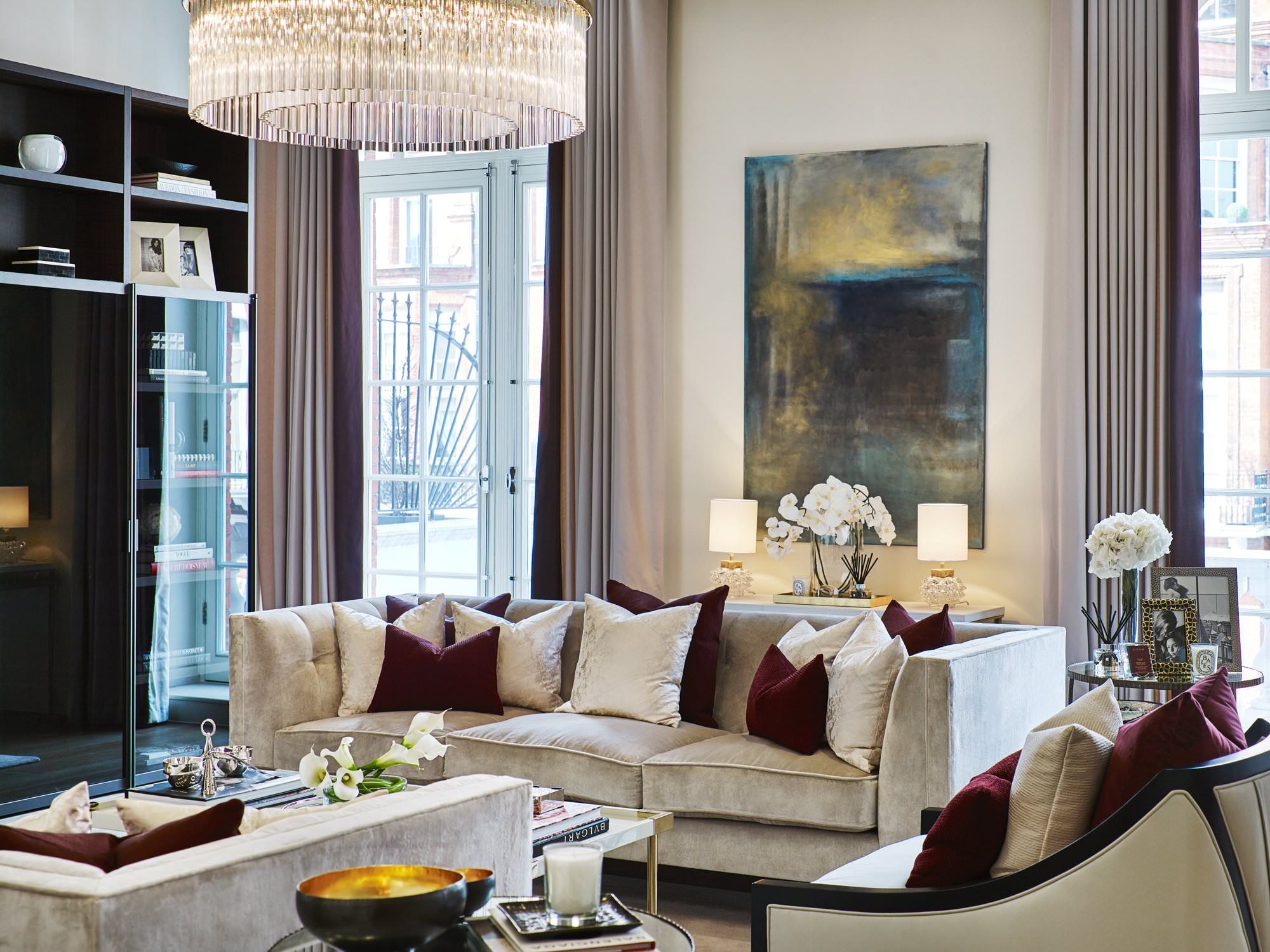
A London interior designer's portfolio is the primary reason a prospective client makes contact — but an unstructured grid of beautiful photographs answers only one question (can they design?) while leaving the questions that drive commission decisions unanswered (do they design spaces like mine, do they work at my budget level, do they do the type of project I have?). The organisation of your portfolio is a strategic decision: filtering by project type (residential versus commercial), by room type (kitchen, living room, master bedroom, whole-house), by style (contemporary minimalist, Scandi, maximalist, period restoration) or by budget tier each serve different client self-selection goals. A taxonomy that includes room and style — 'luxury kitchen design', 'contemporary living room London', 'period property restoration', 'boutique hotel interior design' — creates multiple Google-findable entry points while helping the right clients identify themselves in your work. Prospective clients searching for 'luxury kitchen designer London' or 'Georgian house interior designer London' are expressing a specific brief; a portfolio structure that visibly matches their search terms dramatically shortens the decision journey.
02

Service Pages Let Google Understand What You Actually Do

Interior designer homepages are frequently beautiful and entirely unfindable. A homepage that says 'We create beautiful spaces that reflect your life' gives Google nothing to rank and gives prospective clients no entry point beyond your name or a referral. The solution is a clear service architecture: dedicated pages for each distinct service you offer, each written to target the specific search someone might make when they need that service. 'Full house interior design London', 'kitchen design London', 'bathroom design and renovation London', 'commercial office interior design London', 'show home styling London' — each of these is a real search with identifiable monthly volume and a prospective client who has already defined their need. These pages should describe the service scope, your process, what the engagement involves and what outcomes clients can expect, and they should be supported by case studies from your portfolio that illustrate the service in practice. For designers who also work outside London — on country house projects, international commissions or second home renovations — separate pages targeting those contexts prevent you from appearing exclusively London-focused when broader searches would also suit your practice.

03

The About Page Is Your Most Underused Conversion Tool

High-value interior design commissions — whole-house residential projects, commercial fit-outs, hospitality interiors — are awarded to people as much as to studios. The client is hiring a collaborator with whom they will spend months in close working relationship, making hundreds of decisions together, and they want to understand who that person is before they make contact. An about page that describes your aesthetic philosophy, your design process, your training and professional background, the type of clients and projects you work best with and — critically — who is not the right fit for your practice, does more to attract the right enquiries and filter out the wrong ones than any amount of general marketing copy. London's interior design market includes clients ranging from first-time buyers wanting help with a single room to developers commissioning entire new-build schemes; being specific about your ideal client and project type on your about page is not narrowing — it is positioning. The designers who attract the most consistent high-value commissions from their websites are almost always those who have written the most honest, specific and personal about pages.

04

Press, Awards and Collaborations Build Authority Fast

In the London interior design market, third-party recognition functions as a social proof shortcut: a prospective client who sees 'As featured in House & Garden' or 'Winner, Andrew Martin International Interior Design Awards' immediately places your practice in a category of quality that marketing copy alone cannot establish. Press coverage from shelter publications — House & Garden, World of Interiors, Livingetc, Dezeen, Architectural Digest UK — should be displayed prominently with masthead logos and links to the features, not buried in a blog section or listed only in an unformatted press page. Professional body membership — BIID (British Institute of Interior Design) Registered Interior Designer status — signals adherence to professional practice standards and carries specific recognition with architecture firms, property developers and high-net-worth clients who regularly commission design work. Collaborations with well-known London architects, furniture makers or craftspeople — described and photographed — add context to your practice and implicitly reference the calibre of project and client you work with, providing further signals to prospective clients evaluating whether you work at the level they require.

Ready to get started?

Websites from £1,000. Built in London.

Start a project

Related services

Turn the research into a project.

These service pages connect this guide to the specific scope that fits your business.