Sector Guide6 min read26 June 2026

Web Design for Landscapers in London: Win Garden Design and Maintenance Contracts From Google

London has one of the most active residential landscaping markets in the UK — driven by pandemic-era garden investment, property renovation culture and a dense population of homeowners with outdoor space they don't know how to maximise. A good landscaping website can capture this market at every stage of the client journey.

web design landscapers londonlandscaping website londongarden designer website london
Web Design for Landscapers in London: Win Garden Design and Maintenance Contracts From Google

01

Project galleries that stop the scroll: how to photograph London gardens for your website

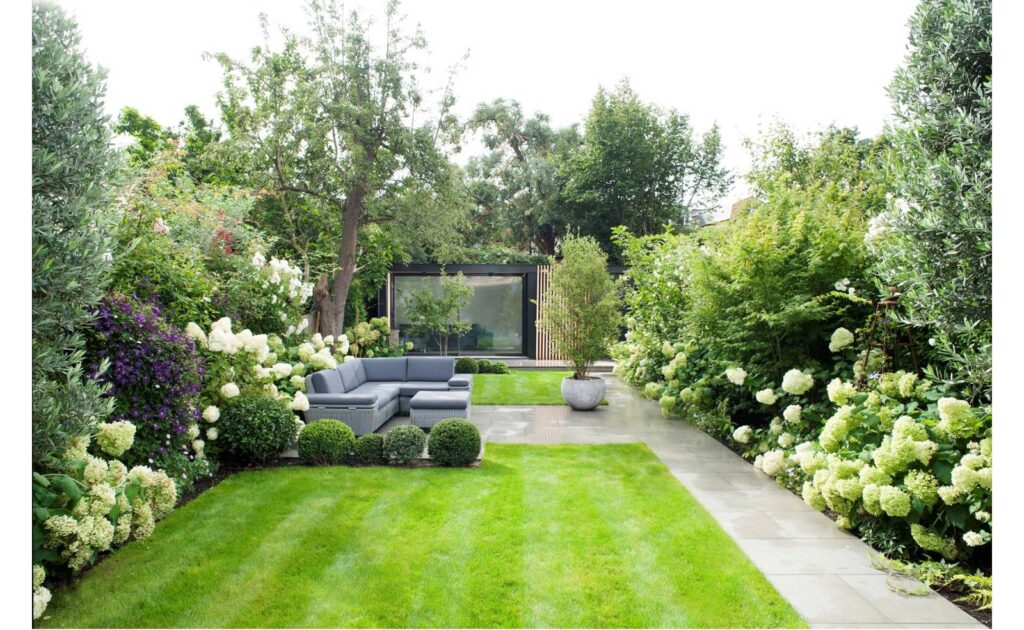
Seasonal photography makes a garden portfolio significantly more compelling than images taken on a single visit — a garden photographed in spring planting, summer entertaining configuration and autumn light tells the story of a space that works year-round rather than a one-time installation. Documenting the transformation sequence from cleared site through groundwork, planting and finished garden gives clients who are imagining their own overgrown or neglected space a realistic picture of what the process involves and what is achievable from an unpromising starting point. Organising the portfolio by garden type — small urban courtyard, family garden, roof terrace, communal grounds, commercial courtyard — lets visitors find examples of the garden type most similar to their own, which increases the relevance of what they see and the likelihood of an enquiry. Naming projects by area — 'Hackney courtyard', 'Kensington family garden', 'Shoreditch roof terrace' — adds geographic specificity that ranks well in local search and signals experience with the distinct constraints of different London property types.

02

The design process page: converting browsers into consultation bookings

Most homeowners considering professional landscaping have little idea what the process involves, how long it takes or what it costs — and uncertainty at any of these points creates hesitation that prevents an enquiry. A process page that walks through the stages from initial consultation and site survey through concept design, detailed planting scheme, build programme and aftercare plan demystifies the experience and separates professional garden designers from landscapers who just quote from a site visit and start digging. Explaining what the initial consultation covers, whether it has a fee and what the client receives from it — a site analysis, a concept sketch, a preliminary budget range — removes the 'I don't know what happens if I call' barrier that stops many homeowners from making contact. Clients who have read your process page before getting in touch are better qualified, have more realistic expectations and are more likely to proceed to a completed project than those who contact you cold.

03

Maintenance contracts: a separate revenue stream worth a dedicated page

Garden maintenance is recurring monthly revenue that most landscaping businesses undersell because they focus their website on the more exciting design and build work — but a dedicated page targeting 'garden maintenance London', 'lawn care contract London' and 'commercial grounds maintenance London' attracts an entirely different and commercially valuable client type. Property managers, housing associations and commercial landlords searching for a reliable grounds maintenance contractor are making a procurement decision with a multi-year timeframe, not a one-off creative purchase — and a page that speaks directly to their requirements (specification compliance, insurance documentation, reporting, emergency callout) converts them more effectively than a general landscaping page. Explaining contract structures, minimum commitment terms and what is included in regular visits gives the client the information they need to assess fit before they enquire, improving the quality of leads that come through. Residential maintenance clients — homeowners who want monthly visits to keep a newly built garden looking its best — also convert well from a maintenance page that explains the ongoing relationship rather than just a one-line mention on the services page.

04

London borough targeting: Hampstead gardens vs Hackney roof terraces

The search 'landscaper Hampstead' and the search 'garden designer Islington' represent clients with distinct property types, project budgets and design expectations — Hampstead typically means large rear gardens and mature planting, Islington more often means small walled gardens or basement flat outdoor spaces with premium design expectations. Borough-specific pages with project examples from each area outperform a generic 'London landscaper' page for every one of those local searches because they reduce competition, increase geographic relevance and signal familiarity with the specific constraints of that neighbourhood's property stock. A page targeting 'roof terrace garden design London' covering Shoreditch, Canary Wharf and South Bank developments addresses the specific structural and irrigation constraints of elevated spaces that a standard garden page does not address, attracting clients who know their project requires specialist knowledge. Building ten to fifteen borough and project-type pages from a common template with swapped location references and relevant project photography creates a search footprint that covers the majority of high-value London landscaping searches within a single well-structured website.

05

Capturing the spring enquiry surge with seasonal content

London garden enquiries are intensely seasonal — the volume of searches for garden designers and landscapers climbs sharply from February as homeowners plan for summer, then tails off after July. Sites that publish relevant content ahead of that curve, rather than during it, are the ones Google already ranks when demand peaks. A short seasonal content calendar — planting guides in late winter, lawn-renovation advice in early spring, outdoor-entertaining and lighting pieces before summer — keeps the site fresh and captures research-stage visitors months before they commission. Because design-and-build projects often have a three to six month lead time from enquiry to spade in the ground, the landscaper who appears during the winter planning phase wins the work that lands in spring. Timing your content to the search calendar turns a seasonal trade into a steadier pipeline.

06

Turning Instagram followers into website enquiries

Garden design is one of the most visual trades on Instagram, and many London landscapers build a strong following there but send that audience nowhere — losing enquiries because the platform makes it hard to browse a full portfolio or get in touch. Embedding a live Instagram feed on the website gives social proof and a constant stream of fresh imagery without manual updating, while a clear path from each post to a relevant project page or enquiry form converts followers into clients. The website should be the destination that Instagram, Houzz and Pinterest all point to, because you own it and it ranks in Google, whereas a social profile can change its algorithm or disappear overnight. Treating the site as the hub and social channels as feeders gives garden designers a portfolio that works for both discovery and conversion.

Ready to get started?

Websites from £1,000. Built in London.

Start a project

Related services

Turn the research into a project.

These service pages connect this guide to the specific scope that fits your business.

07863 791100