Sector Guide7 min read26 June 2026

Web Design for Property Developers in London: Attract Buyers Before They Hit Rightmove

Most London property developers rely entirely on estate agents, Rightmove and Zoopla to move units — and pay 1-2% of GDV for the privilege. A developer website gives you a channel to attract off-plan buyers, retain investor relationships between schemes and build a brand that sells the next development before planning is even approved.

web design property developers londonproperty developer website londonnew build website london
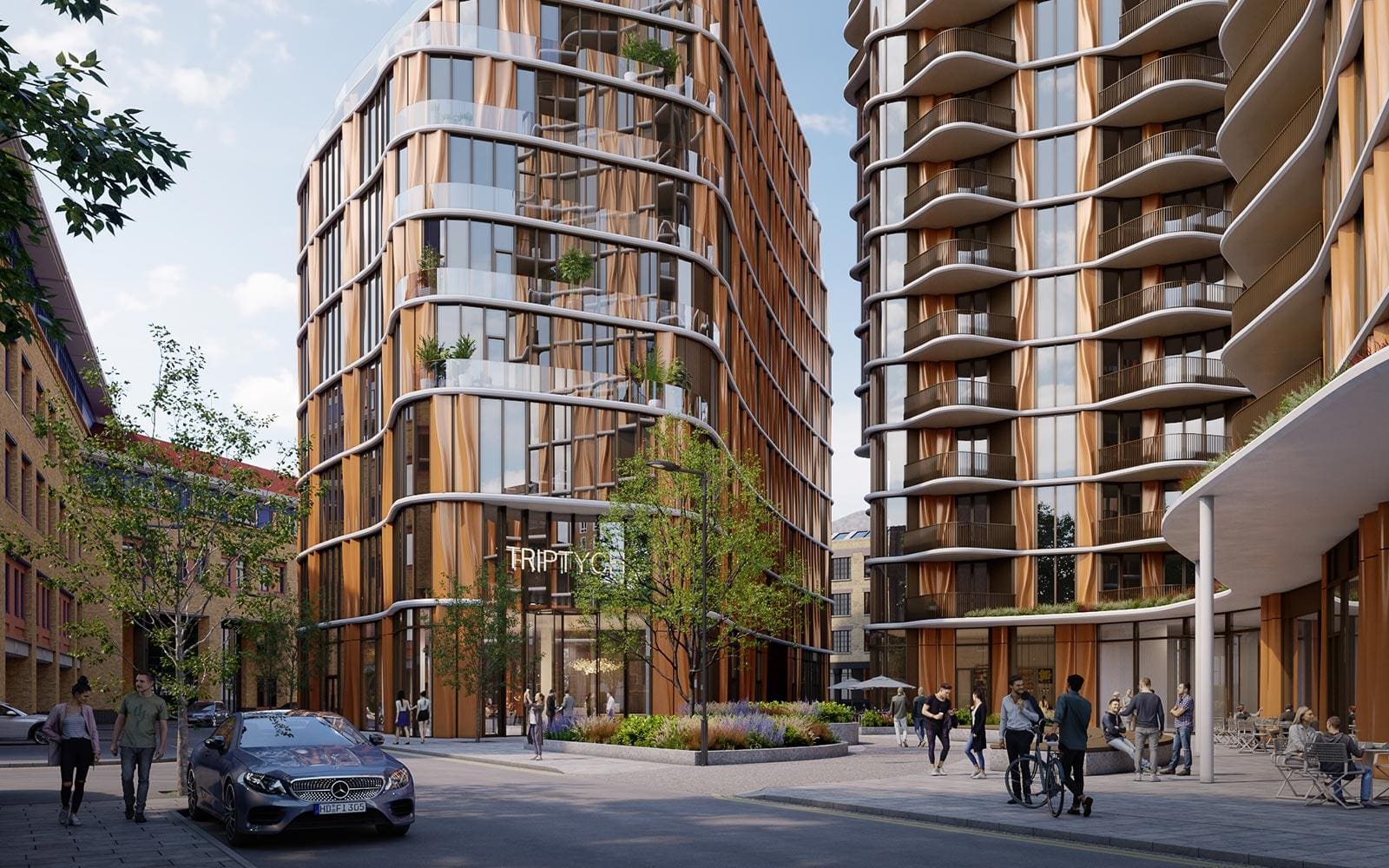
Web Design for Property Developers in London: Attract Buyers Before They Hit Rightmove

01

Development pages that attract off-plan buyers before Rightmove launch

A dedicated scheme page with CGI renders, floor plans, specification detail, location maps and local amenity content creates interest from off-plan buyers who register before the development is listed publicly. An email registration funnel on the scheme page lets you build a buyer list before agents are instructed — reducing agent fees on first-phase sales and giving you leverage in agent negotiations. The page should also address the questions that off-plan buyers need answered: anticipated completion date, developer track record, conveyancing solicitor recommendations, Help to Buy or shared ownership eligibility, and building warranty provider.

02

Track record pages convert investors faster than any brochure

Property investors conducting due diligence on a developer need to see completed projects with verifiable outcomes — not just renders of future schemes. A track record portfolio page listing completed developments with location, planning authority, total units, GDV, delivery timeline and sales outcome builds credibility that no brochure can match. Naming the local authority, referencing the planning consent reference and linking to Companies House gives institutional investors and JV partners the verifiable anchors they need to underwrite a relationship. This level of transparency is unusual in property development and creates significant differentiation from competitors who list only marketing renders.

03

Planning and construction updates as an SEO strategy

Regularly updated development pages — planning application submitted, planning consent granted, groundworks commenced, superstructure complete, practical completion — signal to Google that the page is actively maintained and deserve ongoing ranking attention. These updates also serve a community engagement function: local residents who become aware of a development during the planning process may become buyers or refer buyers if they have an ongoing relationship with the developer's website. A simple project blog or development timeline section on each scheme page creates a natural reason to update the page regularly and build a local audience.

04

Why a developer brand website compounds value across every scheme

A developer without a website is essentially starting from scratch on every scheme — each development is marketed as a standalone product with no brand halo from previous successes. Building an authoritative developer website means each new scheme launches with an existing audience (past buyers who referred friends, investors looking for the next opportunity, estate agents who've sold your stock before), a credibility baseline established by the track record page, and a press and media section that accumulates coverage over time. The compounding effect means the fifth development is meaningfully easier to launch than the first — and the margin on avoided agent fees and reduced marketing cost per unit improves with each cycle.

Ready to get started?

Websites from £1,000. Built in London.

Start a project

Related services

Turn the research into a project.

These service pages connect this guide to the specific scope that fits your business.