Sector Guide5 min read26 June 2026

Web Design for Window Cleaners in London: Build Your Round From Google Without Platform Fees

Window cleaning is one of London's most local, repeat-business trades — a client who books you once and gets a good result books you every 4-8 weeks for years. Your website's job is to appear in local searches, establish trust quickly and make booking as easy as a text message.

web design window cleaners londonwindow cleaning website londonwindow cleaner website london
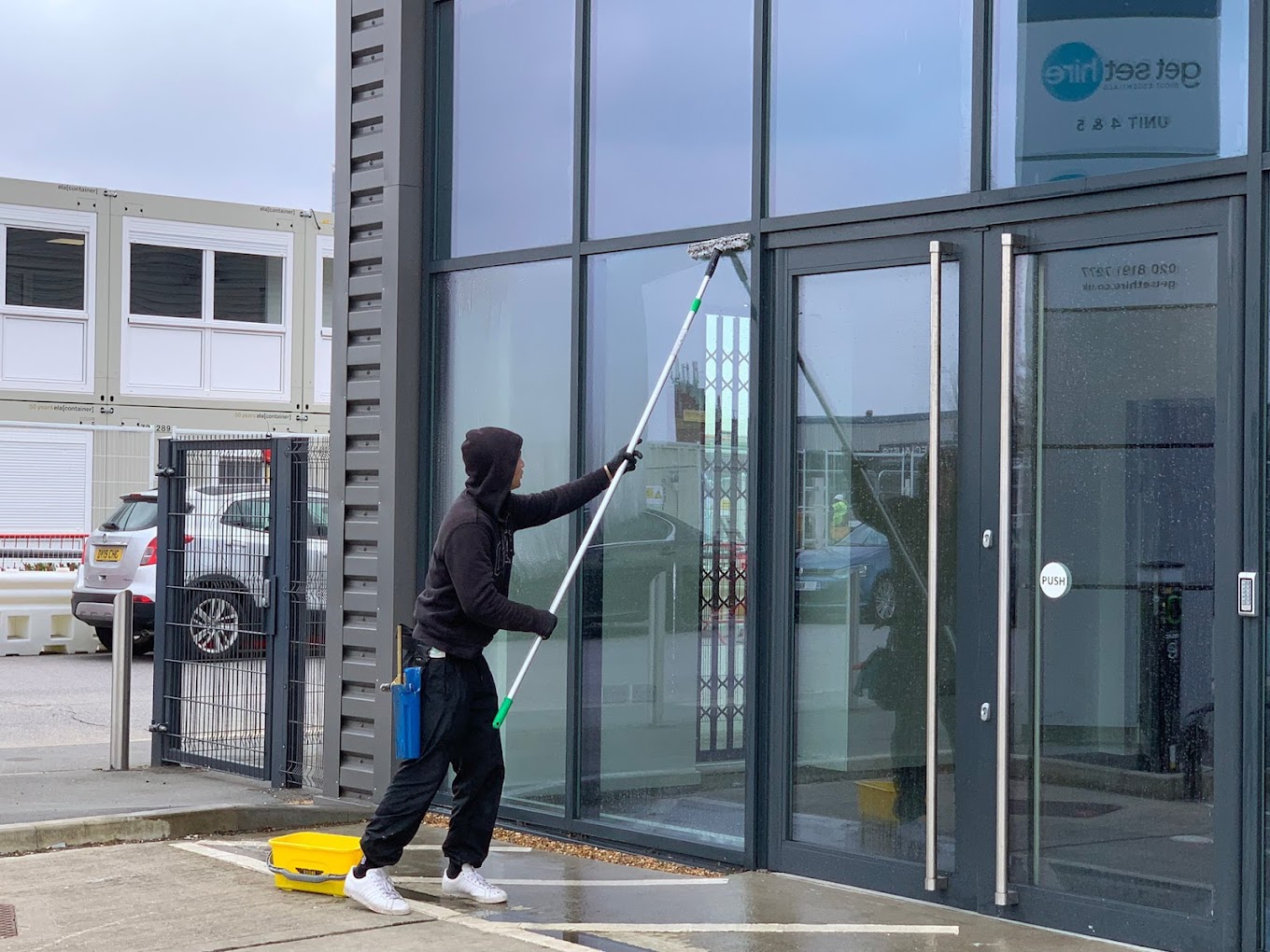
Web Design for Window Cleaners in London: Build Your Round From Google Without Platform Fees

01

Residential vs commercial window cleaning: two pages, two client types

Homeowners searching for a window cleaner want to know their postcode is covered, how often you visit and a rough price — a long explanation of your water-fed pole system is less important than a simple list of areas served and a starting price. Commercial property managers have entirely different priorities: contract terms, frequency options, access equipment capability (reach and wash, MEWP, abseiling), public liability insurance levels and whether you can service multiple sites under one account. A single page trying to serve both client types converts neither; dedicated residential and commercial pages with the appropriate information, tone and contact route convert both more effectively. The residential page should have a postcode or area check or at minimum a list of neighbourhoods covered, and the commercial page should have a download link for your method statement or insurance certificate.

02

Price transparency: the detail most London window cleaners avoid and the one thing that converts researchers

Most window cleaning websites have no prices, which forces every prospect to make a phone call they may not want to make — particularly for residential clients who are comparing two or three local cleaners and haven't decided who to call yet. A starting-from price by property type (mid-terraced from £X, semi-detached from £Y, detached from £Z) or by frequency (monthly, every 6 weeks, one-off) removes the biggest single barrier to new client enquiries and attracts clients who are already at the decision stage rather than still researching. Showing prices does not undercut your negotiating position — clients who book on price alone are often not the clients you want, and those who see your prices and still enquire are already pre-qualified. Even a simple price guide with a note that final quotes depend on access, property size and window count gives the client enough information to take the next step.

03

Round geography: why postcode-specific pages build your route more efficiently than generic 'London' targeting

If your round covers Hackney, Islington and Stoke Newington, dedicated pages for each of those areas target neighbourhood-specific searches ('window cleaner Hackney', 'window cleaning Islington N1', 'window cleaner Stoke Newington'), attract clients who are geographically adjacent to your existing jobs and reduce the dead travel time between appointments that erodes daily earnings. Each area page can reference local landmarks or property types to signal genuine local knowledge — Victorian terraces in Islington, the mix of purpose-built flats and period houses in Hackney, conservation area properties in Stoke Newington that require extra care — which reads as authentic rather than templated and ranks better for hyper-local searches. Building a geographically dense round from targeted local pages is significantly more valuable than occasional clients scattered across London who add hours of travel between them. Three pages targeting adjacent postcodes will build a more profitable round than one generic 'window cleaner London' page targeting a wider but less actionable market.

04

Equipment display: how reach and wash systems build trust for first-floor and above work

The majority of London homeowners who haven't used a window cleaner before have questions about how you clean windows above ground floor — a photo or short explanation of your water-fed pole system with a pure water tank, why deionised water leaves no streaks or residue and how high your system can reach (typically 4-6 storeys with a standard system) answers the question before they have to ask it and removes a reason to call a competitor instead. Showing your setup also signals that you are a legitimate, equipped operator rather than someone with a squeegee and a ladder, which matters for clients in converted flats or houses where access requires working at height without traditional ladder contact. For commercial clients, listing your COSHH compliance documentation, public liability insurance level and any working at height certificates or IPAF licences signals professional capability without them having to request it. Equipment transparency and credential display are the two fastest ways to establish trust on a window cleaning website for a first-time visitor.

Ready to get started?

Websites from £1,000. Built in London.

Start a project

Related services

Turn the research into a project.

These service pages connect this guide to the specific scope that fits your business.